
Osteopathy looks at the whole person
What is Osteopathy?
Osteopathy is a hands-on approach to healthcare that considers the relationship between the body's structure and the way it functions.
Osteopaths are university-trained allied health professionals who assess the musculoskeletal system and use hands-on treatment, movement advice and exercise to support health and function.
Rather than focusing only on where you feel pain, osteopathic assessment considers how different parts of the body may be working together.
A whole-body approach
The body is interconnected.
Joints, muscles, nerves, connective tissues and other body systems all contribute to how we move and function.
Looking at these relationships can help us understand why a problem may have developed and what may be contributing to it.
What can an Osteopath help with?
Headaches
Back and neck pain
Pelvic pain, including pregnancy-related pelvic girdle pain
Sciatica
Shoulder pain
Rotator cuff injuries
Postural strain
Elbow pain
Tennis elbow and golfer's elbow
Wrist and hand pain
Carpal tunnel syndrome
Osteopaths may be able to help with a wide range of musculoskeletal concerns, including:
De Quervain's tenosynovitis, sometimes called "mum's wrist"
Hip and groin pain
Knee pain
Ankle sprains
Heel and arch pain
Arthritis
Sports injuries
Joint stiffness and reduced flexibility
Postural concerns
Pregnancy-related musculoskeletal discomfort
Concerns affecting babies and children
What happens during an appointment?
1. We talk
Understanding your symptoms, history and goals.
2. We assess
A physical assessment to understand how your body is moving and functioning.
3. We treat
Appropriate osteopathic techniques based on your individual circumstances.
4. We make a plan
Practical advice and recommendations for ongoing care.
A note about your health
Osteopaths are trained to recognise conditions that may require referral to a GP or another healthcare professional.
If I believe you need additional assessment or care outside my scope of practice, I will recommend the appropriate next step.
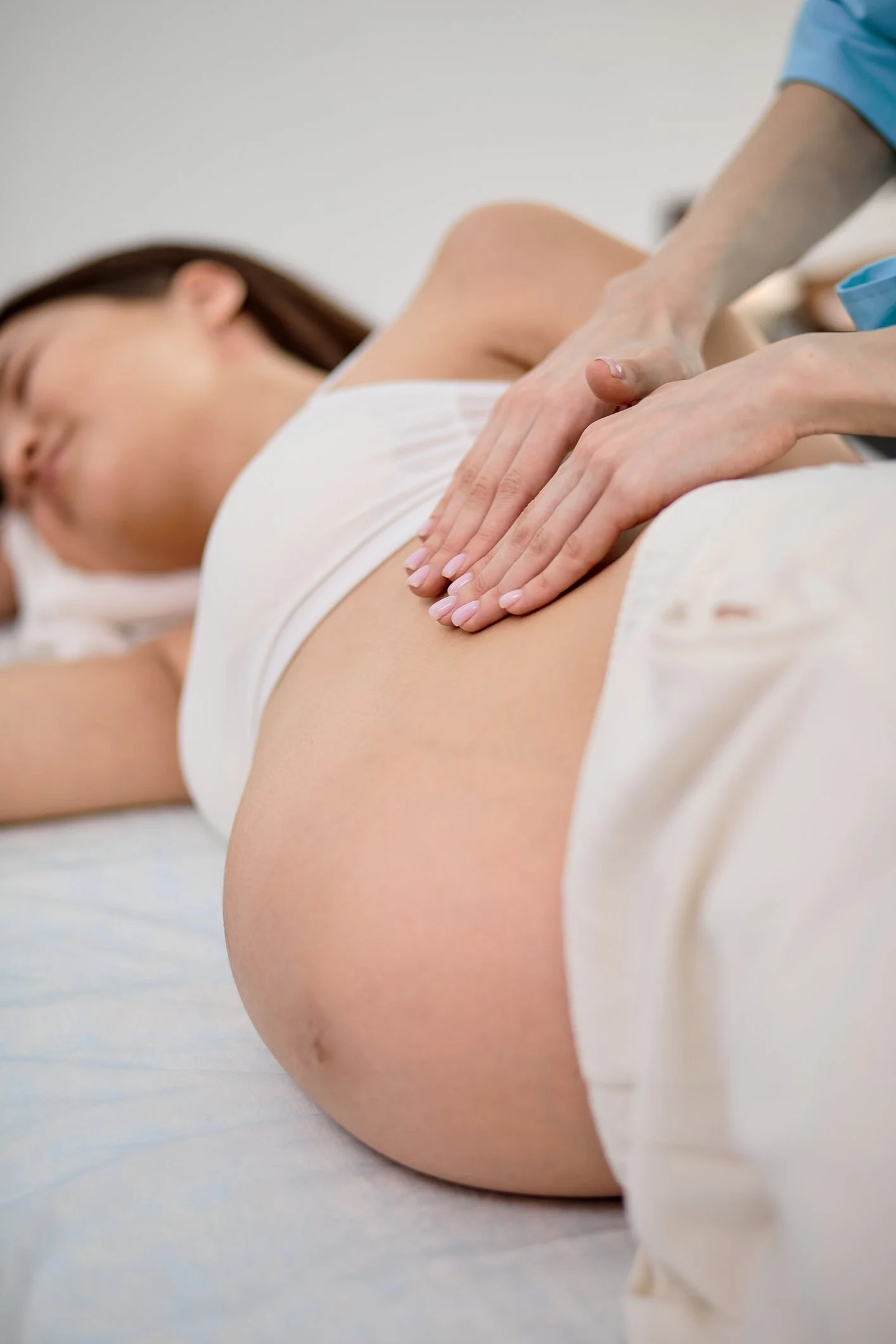
Pregnancy and postpartum care
Pregnancy and childbirth can change the way your body moves and functions. Postural, biomechanical and hormonal changes can lead to problems such as back pain, sciatica, pelvic girdle pain, and carpal tunnel syndrome. Osteopathic treatment can help to prevent or manage these conditions, maximising your body’s ability to support you and your baby, with a minimum of pain and discomfort.
I provide osteopathic care for women during pregnancy and after birth, with an understanding of the physical demands of pregnancy, birth, breastfeeding and caring for a baby.
Based on scientific studies, around half of all pregnant women and a quarter of postpartum women experience low back pain or pelvic girdle pain. While pain and discomfort in pregnancy may be common, it is not inevitable and it isn’t something you have to put up with.
Osteopathic treatment has been shown to prevent progressive back pain in pregnancy.
Women with pregnancy and childbirth-related low back pain and pelvic pain may be successfully treated with osteopathy.
Osteopaths can prepare exercise and stretching programs, and provide advice on posture and movement for improved general health and wellbeing.
Osteopathic treatment during pregnancy can reduce pain, help the body adapt to the postural and biomechanical changes required to support the growing baby, and help prepare for labor and delivery.
Qualifications & professional experience
I’m an Australian-trained and registered Osteopath with more than 20 years of clinical experience.
I graduated from the University of Western Sydney in 2004 with a Bachelor of Applied Science (Osteopathy) and a Master of Osteopathy.
Australian osteopaths undertake extensive university education in areas including anatomy, physiology, pathology, medical diagnosis, osteopathic principles, clinical reasoning and hands-on techniques.
Australian-trained Osteopath
Osteopaths in Australia are registered healthcare practitioners.
I am registered with the Australian Health Practitioner Regulation Agency (AHPRA) and am a member of Osteopathy Australia.
Osteopaths are required to maintain their professional knowledge and skills through ongoing continuing professional development.
Registered healthcare professional
International Board Certified Lactation Consultant
In 2017, I became an International Board Certified Lactation Consultant (IBCLC).
This additional qualification complements my osteopathic training and allows me to provide integrated support to mothers and babies around physical and breastfeeding-related concerns.
Continuing professional development
Professional learning is an ongoing part of my work.
Osteopaths are required to complete continuing professional development each year, while IBCLCs recertify every five years and undertake continuing education.
I regularly undertake further education so that my clinical practice remains informed by current knowledge and evidence.
Some of the courses I have taken are:
Gold Lactation: A Whole Body Approach to the Clinical Management of Complex Breastfeeding
Breastfeeding: Science, Solutions & Strategies
Oral Habilitation of the Breastfeeding Dyad; A Master Class for the IBCLC
Paediatric Orofacial Myology Concepts for Osteopaths
Pain and Pregnancy
After Breast Cancer; An Osteopathic Approach
Education, research and professional contribution
My professional work extends beyond patient care.
I’m a speaker for GOLD Online Lactation Education, an author and peer reviewer for the International Journal of Osteopathic Medicine, and a former coordinator and lecturer in Anatomy and Physiology for Massage and Naturopathy students at TAFE Tasmania.
I have also presented educational talks on workplace wellness, posture and back care, injury prevention and osteopathic support during breastfeeding.
Ready to Feel Better?
Send me a quick note, and we’ll make a plan together.